
Distress vs Duress: A Complete Legal Guide to Meaning

Understanding the difference between distress and duress is important because these two words may sound similar but have different meanings and legal implications. The word distress generally describes a state of emotional suffering, anxiety, pain, or difficulty caused by challenging circumstances. In contrast, duress refers to a situation where someone is forced or pressured to […]
Simple Ways to Say Please Disregard My Previous Email

In professional communication, sending an email with incorrect information, outdated details, or an unintended message can happen to anyone. When this occurs, it is important to address the mistake quickly and politely to avoid confusion. The phrase “Please disregard my previous email” is commonly used in workplace communication to let recipients know that an earlier […]
Alternatives to Say First Come First Serve: Smarter, Fairer Queue

The phrase “first come, first serve” is commonly used to explain how limited resources, appointments, opportunities, or services are distributed based on arrival order. It means that the person who arrives first gets served before others, making it a simple way to manage queues and waiting lists. However, this expression can sometimes sound too casual, […]
Polite Alternatives to “Waiting for Your Response”

In professional communication, choosing the right words can make a big difference in how your message sounds. The phrase “Waiting for Your Response” is commonly used in business emails, workplace messages, and formal conversations when you expect someone to reply. However, using this expression repeatedly may sometimes sound too direct, impatient, or demanding, especially when […]
Better Ways to Say “Kindly Request” Clear, Natural,

The phrase “kindly request” is often used in professional emails, business communication, and formal messages when asking someone to do something politely. It helps maintain a respectful tone while making a request, but using it too frequently can make your writing sound repetitive, unnatural, or overly formal. Choosing better alternatives can make your messages more […]
Professional Alternatives to Say “Please Provide”

The phrase “Please provide” is commonly used in professional emails, business communication, and workplace messages when requesting information, documents, or assistance. It is polite and direct, but using it repeatedly can make your writing sound formal or repetitive. Choosing different expressions can help you communicate your requests in a more natural, respectful, and professional way. […]
Affend vs Offend: Meaning, Difference, Usage
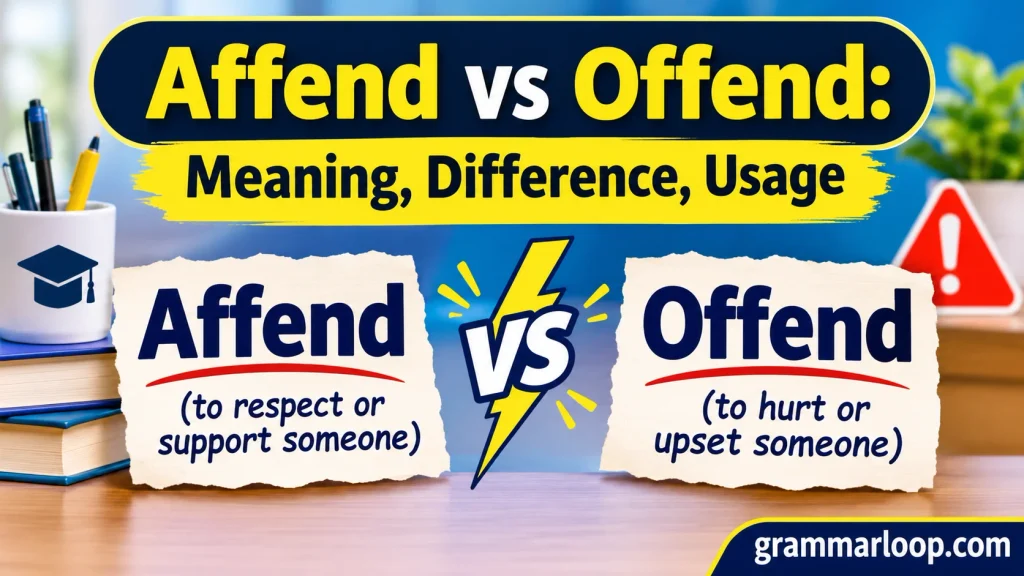
Understanding the difference between “affend” and “offend” can help you avoid common English spelling and grammar mistakes. These two words may look similar, but only one is recognized as the correct spelling in standard English. “Offend” is the correct word, and it means to upset, insult, or hurt someone’s feelings through words or actions. On […]
Choosing vs Chosing: The Complete Guide to Spelling

Choosing and chosing may look similar, but only one is the correct spelling in standard English. Many people get confused between these two forms because they sound almost identical when spoken. However, understanding the difference is important for improving your writing, spelling, and grammar skills. The correct word is “choosing,” which is the present participle […]
Simple Ways to Say “I Look Forward To”: Better Phrases

The phrase “I look forward to” is commonly used in professional emails, business messages, and everyday conversations to express excitement or positive expectations about something that will happen in the future. Whether you are waiting for a meeting, planning to see someone, or expecting a response, this expression helps communicate interest and enthusiasm. However, using […]
In Route vs En Route: Meaning, Grammar Rules, Real Usage

Understanding the difference between “in route” and “en route” can help you avoid common spelling and grammar mistakes in everyday and professional writing. Although these expressions look similar, they are not used in the same way. “En route” is the correct and widely accepted phrase in English, meaning on the way or while traveling toward […]